%2Ffit-in%2F250x250%2Fguide_websites%2F57300%2Fimages%2F1765518210398logo.jpg&w=1920&q=100)
/users/ad25e022-8672-4f1d-92c7-04d6d2b7b7a6/ratecard/3-mj29vgy9.jpg)
%2F300x300%2Fusers%2Fad25e022-8672-4f1d-92c7-04d6d2b7b7a6%2Fratecard%2F3-mj29vgy9.jpg&w=256&q=75)
%2F300x300%2Fusers%2Fad25e022-8672-4f1d-92c7-04d6d2b7b7a6%2Fimages%2Fwhite-crappie-fishing-ms-2724.jpg&w=256&q=75)
%2F300x300%2Fusers%2Fad25e022-8672-4f1d-92c7-04d6d2b7b7a6%2Fimages%2Fbountiful-crappie-catch-ms-2948.jpg&w=256&q=75)
%2F300x300%2Fusers%2Fad25e022-8672-4f1d-92c7-04d6d2b7b7a6%2Fimages%2Ffishing-success-mississippi-2795.jpg&w=256&q=75)
%2F300x300%2Fusers%2Fad25e022-8672-4f1d-92c7-04d6d2b7b7a6%2Fimages%2Ffantastic-fishing-in-ms-2891.jpg&w=256&q=75)
%2F300x300%2Fusers%2Fad25e022-8672-4f1d-92c7-04d6d2b7b7a6%2Fimages%2Fbest-great-fishing-expedition-ms-2813.jpg&w=256&q=75)
%2F300x300%2Fusers%2Fad25e022-8672-4f1d-92c7-04d6d2b7b7a6%2Fimages%2Fbest-great-fishing-adventure-ms-2773.jpg&w=256&q=75)
%2F300x300%2Fusers%2Fad25e022-8672-4f1d-92c7-04d6d2b7b7a6%2Fimages%2Ffishing-grenada-2621.jpg&w=256&q=75)
%2F300x300%2Fusers%2Fad25e022-8672-4f1d-92c7-04d6d2b7b7a6%2Fimages%2Fcrappie-catch-in-mississippi-2681.jpg&w=256&q=75)
%2F300x300%2Fusers%2Fad25e022-8672-4f1d-92c7-04d6d2b7b7a6%2Fimages%2Fthree-crappies-grenada-fishing-2726.jpg&w=256&q=75)
%2F300x300%2Fusers%2Fad25e022-8672-4f1d-92c7-04d6d2b7b7a6%2Fimages%2Fcrappie-fishing-mississippi-2815.jpg&w=256&q=75)
Top-Rated Crappie Slam on Grenada Lake, MS
What you will be catching:
 Crappie
- 6-hour guided crappie fishing on Grenada Lake with Captain Carr
- Fully equipped Ranger Bass Boat with gear, bait, and fish finder included
- Maximum 2 guests ensures personalized instruction and fishing guidance
Trip Pricing and Availabilities:
Reel in the Big Ones: Grenada Lake Crappie Slam
Get ready for a half-day of non-stop crappie action on Mississippi's legendary Grenada Lake. Captain Jamison Carr, your local crappie whisperer, is fired up to put you on some serious slabs. This 6-hour trip is perfect for anglers looking to learn new techniques, fill the livewell, and have a blast on one of the South's premier crappie fisheries. Whether you're a seasoned pro or just getting your feet wet, Jamison's got the know-how to make your day on the water one for the books.
What to Expect on the Water
Your crappie adventure kicks off bright and early from the ramp at 2202 Scenic Loop 333. Jamison's decked-out Ranger Bass Boat is a crappie-catching machine, equipped with all the bells and whistles you need for a successful day. We're talking a top-notch livewell to keep your catch fresh, comfortable seating (including a fighting chair for when the big ones hit), and state-of-the-art electronics to put you right on the fish. Jamison's got room for two guests, so bring your fishing buddy and get ready for some friendly competition.
Don't sweat it if you're new to crappie fishing or looking to up your game. Jamison's all about sharing his local knowledge and helping you dial in your technique. He'll hook you up with premium gear and live bait - all you need to bring is your excitement and maybe a lucky hat. And if you've got any special needs or prefer a different launch spot, just give Jamison a heads up. He's all about making sure you have the best day possible on the water.
Top Catches This Season
Crappie fishing on Grenada Lake is no joke, and Jamison's got the tactics dialed in. Depending on the season and where the fish are holding, you might find yourself spider rigging, long-lining, or even vertical jigging around structure. In the spring, it's all about targeting those shallow spawning areas where the big slabs move in. Come summer, Jamison's expertise really shines as he tracks down schools in deeper water using his top-of-the-line fish finder.
You'll be using a mix of jigs and minnows, with Jamison showing you how to finesse your presentation for maximum bites. He's always got a few secret weapons up his sleeve, like his custom-tied jigs that the Grenada Lake crappie just can't resist. And don't be surprised if you hook into a bonus bass or catfish - Grenada's full of surprises!
Why Anglers Keep Coming Back
Jamison's trips are more than just a fishing excursion - they're a masterclass in crappie angling. Regulars rave about how much they learn on each outing, from reading the water to understanding crappie behavior throughout the seasons. It's not uncommon for folks to book multiple trips to really hone their skills and experience different techniques as the patterns change.
But it's not all serious business out there. Jamison's known for keeping things fun and laid-back, cracking jokes and sharing stories that'll have you laughing all day long. And when those crappie start piling up in the livewell, get ready for some serious high-fives and photo ops with your trophy catches.
Species You'll Want to Hook
Crappie are the stars of the show on Grenada Lake, and for good reason. These tasty panfish grow to impressive sizes here, with 2-pounders not uncommon and the lake record sitting at a whopping 5 pounds 3 ounces. Grenada's known for its white crappie, which tend to school up in big numbers. These silvery slabs are aggressive feeders and put up a scrappy fight on light tackle.
White crappie in Grenada Lake typically spawn in the spring when water temperatures hit the mid-60s. This is prime time for shore fishing, as the big ones move into shallow water. During summer and fall, they'll retreat to deeper structure like submerged timber and creek channels. Crappie are sight feeders, so they're most active during dawn and dusk when the light's just right.
What makes Grenada Lake crappie so special is their growth rate. The nutrient-rich waters and abundance of shad mean these fish pack on weight fast. It's not uncommon to catch a mess of thick, shoulder-width crappie that'll have you dreaming of fish fries for weeks to come. And let's not forget - pound for pound, crappie are some of the best-eating freshwater fish out there. Jamison can even share some of his favorite cleaning and cooking tips if you're looking to turn your catch into a feast.
Time to Book Your Spot
If you're itching to get in on some world-class crappie action, Jamison's Half Day Crappie Slam is the ticket. You'll come away with new skills, a cooler full of fish (limits permitting), and memories that'll last a lifetime. Whether you're a local looking to improve your game or an out-of-towner wanting to experience the best of Mississippi fishing, this trip delivers the goods.
Don't wait too long to lock in your date, especially during peak seasons. Jamison's calendar fills up fast, and you don't want to miss out on the chance to fish with one of Grenada Lake's top guides. So grab your fishing buddy, clear your schedule for a half-day of crappie madness, and get ready to see why Grenada Lake is a bucket-list destination for crappie anglers across the country. Book now and let Jamison put you on the fish of a lifetime!
Learn more about the species
Crappie
Crappie (Poxomis)
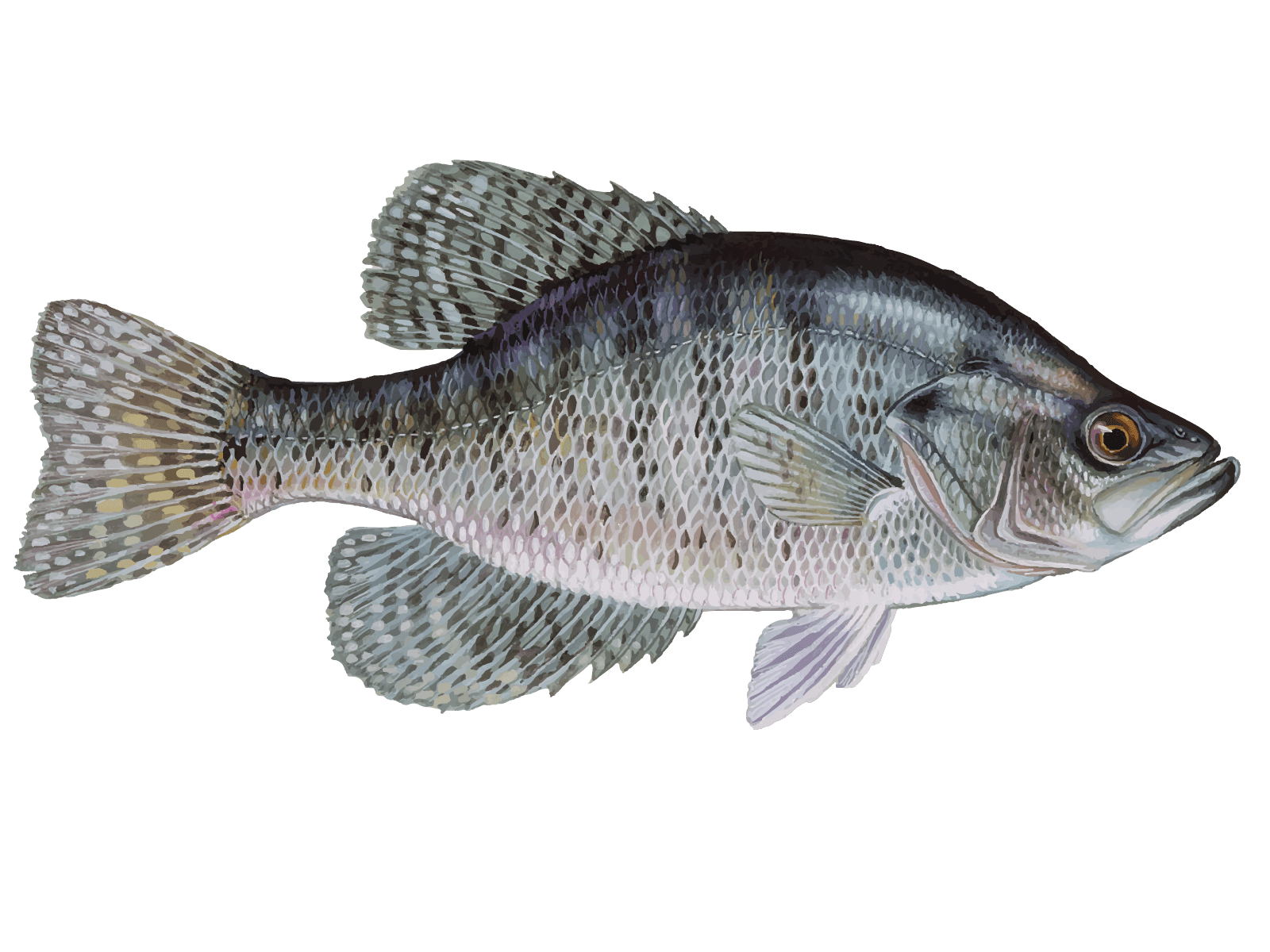
Crappies are game fish and the largest members of the Centrarchidae family. They are present in nature as Black Crappie (Poxomis nigromaculatus) or and White Crappie (Poxomis annularus). Both the species are similar to each other, apart from few distinctions. White crappie will have vertical bars running the length of their body, and black crappie will have no discernible pattern and will just be speckled, hence their nickname, “specks". White crappie has 5-6 spines, and black crappie has 7-8 spines. Anglers often differentiate the two by body shapeGrenade Lake, Mississippi, and Reel foot Lake are considered among giant crappie lakes.
Crappie Habitat and Distribution
Both the crappies have a similar habitat, though black crappie prefers clearer water than white crappie. These fishes can be found in rivers, lakes, and backwater pools swimming in shallow waters or hiding among bushes, vegetation, or other covers.
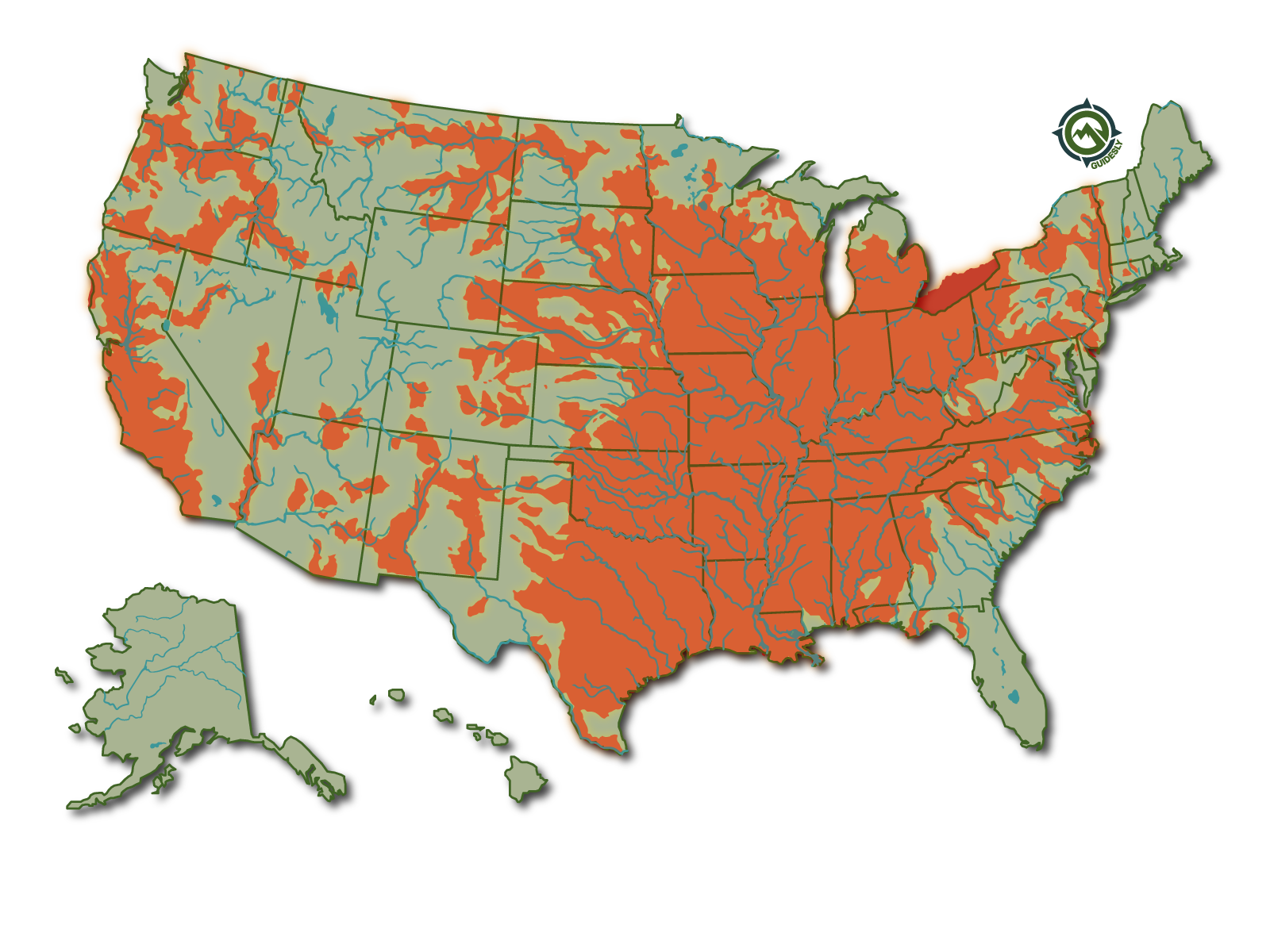
Crappie is native to Canada and the eastern States. It is a much-enjoyed game fish in North America and inhabits the Great Lakes, Hudson Bay, and the Mississippi River Basins.
Crappie Size and Weight
Crappie can be 7-12 inches long and weigh about 0.5-1 pounds.
Crappie Interesting Facts
Crappie is known for its tasty and white meat.
- Both Poxomis nigromaculatus and Poxomis annularus are less active during the day.
- Both the fishes have a different number of dorsal fin spines. White Crappie has 6 while Black Crappie has 7 or 8.
- Mouth of Black Crappie is larger and reaches mid-eye and has a resemblance to largemouth bass.
- Crappie travels in schools.
- Female lays 5000-60000 eggs.
- Crappie can live for 7 to 10 years.
Is Crappie Good to Eat?
Despite its name, crappie is an excellent source of nutrition, containing high amounts of protein and essential omega-3 fatty acids. Although it's not as popular as salmon or tuna, crappie can be a delicious addition to any healthy diet. They are known for their delicate taste and ease of preparation.
When cooked properly, crappie has a delicate flavor and flaky texture, making it perfect for grilling, frying, or baking. Moreover, because they are smaller fish than other common species, such as bass or catfish, the chances of mercury contamination in their flesh are much lower.
Crappie Spawning
Crappie spawning season begins in early spring and summer when the water temperature is 62 F-68 F. Male builds the nest in soft or gravelly spots, the female lays the eggs, and the male guards the nest. Eggs take 2 to 5 days to hatch.
Crappie Food
Depending on the age, Crappie victims consist of zooplankton, crustaceans, small fish, minnows, insects, gizzard or threadfin shads, and larvae of other game fishes.
Crappie Fishing
Crappie is most active at dawn or dusk. Anglers recommend using live bait and properly sized hooks, not too small, not too large.
Spin or Bait Fishing for Crappie:
Spin fishing for crappie is a popular angling technique used for years. The use of small lures, such as crappie spinners or jigs along the bottom with light tackle, makes it possible to catch these elusive fish with ease. Crappie spinner fishing involves using a spinning rod and reel setup to cast the lure out into the water and retrieve it in a steady fashion.
When fishing for crappie with a spinner, it's essential to choose the right size and color of the lure. Smaller lures are more effective when targeting this species due to their smaller mouths. Additionally, selecting colors that mimic the natural prey of crappie can help increase your chances of catching them. It's also important to consider where you're casting your line when using spinners for crappie fishing.
Another popular technique is a bobber with a hook with live bait such as worms or small minnows. This is a proven method to catch crappie.
Fly Fishing for Crappie:
- Fly fishing for Crappie is exciting. Both dry and wet flies work well. Use dry flies on still and calm days, especially early and late. A great way to start a young angler on fly fishing, crappie is not as challenging as much other game fish.
- The best-wet flies for fly fishing are streamers and nymphs and soft large hackles. Streamers (small) are perfect when the fish is eating minnows.
- Anglers can fly fish for Crappie near fallen trees or bushes using a dry or wet fly. Be patient and let the fish properly take the hook. - Clouser Minnow is the ultimate fly bait that can catch even the sluggish crappie.
Crappie Baits and Lures:
- Spinners
- Pan-fish jigs
- Small crankbaits
- Insects
- Worms
- Streamer flies
- Small minnows
- Nymphs
About the Ranger Bass Boat
%2F%2Fusers%2Fad25e022-8672-4f1d-92c7-04d6d2b7b7a6%2Fvehicle_picture%2Fboat-mj29t0wn.jpeg&w=1920&q=75)
Vehicle Guest Capacity: 7
Manufacturer Name: Suzuki
Maximum Cruising Speed: 30
Number of Engines: 1
Horsepower per Engine: 250