%2Ffit-in%2F250x250%2Fguide_websites%2F57300%2Fimages%2F1765518210398logo.jpg&w=1920&q=100)
/users/ad25e022-8672-4f1d-92c7-04d6d2b7b7a6/ratecard/576466210_829933869895243_3600168779700588148_n-mj2aev1r.jpg)
%2F300x300%2Fusers%2Fad25e022-8672-4f1d-92c7-04d6d2b7b7a6%2Fratecard%2F576466210_829933869895243_3600168779700588148_n-mj2aev1r.jpg&w=256&q=75)
%2F300x300%2Fusers%2Fad25e022-8672-4f1d-92c7-04d6d2b7b7a6%2Fimages%2Fwhite-crappie-fishing-ms-2724.jpg&w=256&q=75)
%2F300x300%2Fusers%2Fad25e022-8672-4f1d-92c7-04d6d2b7b7a6%2Fimages%2Fbountiful-crappie-catch-ms-2948.jpg&w=256&q=75)
%2F300x300%2Fusers%2Fad25e022-8672-4f1d-92c7-04d6d2b7b7a6%2Fimages%2Ffishing-success-mississippi-2795.jpg&w=256&q=75)
%2F300x300%2Fusers%2Fad25e022-8672-4f1d-92c7-04d6d2b7b7a6%2Fimages%2Ffantastic-fishing-in-ms-2891.jpg&w=256&q=75)
%2F300x300%2Fusers%2Fad25e022-8672-4f1d-92c7-04d6d2b7b7a6%2Fimages%2Fbest-great-fishing-expedition-ms-2813.jpg&w=256&q=75)
%2F300x300%2Fusers%2Fad25e022-8672-4f1d-92c7-04d6d2b7b7a6%2Fimages%2Fbest-great-fishing-adventure-ms-2773.jpg&w=256&q=75)
%2F300x300%2Fusers%2Fad25e022-8672-4f1d-92c7-04d6d2b7b7a6%2Fimages%2Ffishing-grenada-2621.jpg&w=256&q=75)
%2F300x300%2Fusers%2Fad25e022-8672-4f1d-92c7-04d6d2b7b7a6%2Fimages%2Fcrappie-catch-in-mississippi-2681.jpg&w=256&q=75)
%2F300x300%2Fusers%2Fad25e022-8672-4f1d-92c7-04d6d2b7b7a6%2Fimages%2Fthree-crappies-grenada-fishing-2726.jpg&w=256&q=75)
%2F300x300%2Fusers%2Fad25e022-8672-4f1d-92c7-04d6d2b7b7a6%2Fimages%2Fcrappie-fishing-mississippi-2815.jpg&w=256&q=75)
Sunset Crappie Trip on Grenada Lake with Jamison
What you will be catching:
 Crappie
- 4-hour sunset fishing trip on fully equipped Ranger Bass Boat for up to 6 guests
- Captain provides quality gear, live bait, and flexible pickup locations around lake
- Accessible trip suitable for families, groups, and anglers with mobility considerations
Trip Pricing and Availabilities:
Sunset Crappie Fishing on Grenada Lake
Get ready for an evening of laid-back fishing and stunning views on Grenada Lake. Captain Jamison Carr knows these waters like the back of his hand, and he's all set to show you the best spots for landing some hefty crappie. Whether you're a seasoned angler or just looking to unwind after a long day, this 4-hour trip is the perfect way to cap off your day. We'll cruise out as the sun starts to dip, chasing that golden hour light and the fish that come alive in the cooler evening waters.
What to Expect on the Water
You'll be stepping aboard a top-notch Ranger Bass Boat, kitted out with all the bells and whistles you need for a successful fishing trip. We're talking a livewell to keep your catch fresh, a fighting chair for when you hook into something big, and high-tech GPS and fish finder systems to put you right on top of the action. Captain Jamison's got premium gear and live bait ready to go, so all you need to bring is yourself and maybe a cooler of your favorite drinks. The boat's got room for up to 6 folks, making it perfect for a family outing or a small group of buddies looking to swap fish tales.
Techniques for Twilight Bites
As the day winds down, we'll be using techniques tailored for evening fishing on Grenada Lake. We might start off with some slow trolling, dragging jigs or minnows behind the boat to cover more water. As the light fades, we'll likely switch to vertical jigging around structure where crappie tend to gather. Captain Jamison's got a sixth sense for finding those honey holes where the big slabs hang out. He'll show you how to work your bait just right to entice those finicky biters. And don't worry if you're new to this – Jamison's got the patience of a saint and loves teaching folks the ropes.
Target Species
Crappie are the star of the show on Grenada Lake, and for good reason. These tasty panfish are known for their fight and their flavor. Grenada's known for producing some real slabs – we're talking fish pushing 3 pounds or more. Spring is prime time when they move shallow to spawn, but don't count out the fall and winter. That's when the big schools start to bunch up, and if you hit it right, you can fill a livewell in no time. Crappie tend to suspend around structure, so we'll be targeting brush piles, fallen trees, and drop-offs. These fish have a soft mouth, so setting the hook is an art form – Jamison will show you how to finesse those bites into catches.
Why Anglers Keep Coming Back
There's something special about fishing as the day turns to night on Grenada Lake. The water takes on that glass-like quality, reflecting the sky's changing colors. You might hear an owl hooting as it starts its nightly hunt, or see bats darting around catching bugs. It's peaceful out there, but there's always that undercurrent of excitement – you never know when the next big slab is going to hit. And let's be real, there's nothing quite like the satisfaction of bringing home a cooler full of fresh crappie fillets for dinner. Captain Jamison's trips are known for producing consistent catches, even when other anglers are struggling. His local knowledge and easy-going nature make for a trip that's enjoyable whether the fish are biting or not.
Comfort and Convenience
We know getting out on the water shouldn't be a hassle. That's why Captain Jamison's set things up to be as smooth as possible. The trip kicks off from 2202 Scenic Loop 333 in Grenada, MS, but if that's not convenient for you, just give a holler. Jamison's flexible on departure locations and can often accommodate special requests. Got someone in your group with mobility issues? No problem – we can make adjustments to ensure everyone has a great time. The Ranger boat's got plenty of stability and room to move around, so you can fish in comfort. And while we don't provide meals on this half-day trip, you're more than welcome to bring along some snacks or sandwiches to keep your energy up.
Top Catches This Season
Grenada Lake's been on fire lately for crappie. Just last week, a group on one of Jamison's trips landed a 3.2-pounder – a real slab that had everyone on board hollering. We've been seeing lots of fish in the 1.5 to 2-pound range, which makes for some excellent eating. The key's been finding those schools hanging around the deeper brush piles and working them over with minnows and jigs. With the cooler evenings we've been having, the bite's been staying active right through sunset, which is perfect for our evening trips. Grenada's got a reputation as a crappie factory, and it's been living up to the hype this season.
Time to Book Your Spot
Listen, if you're itching to get out on Grenada Lake and put some crappie in the boat, now's the time to lock in your trip. Captain Jamison's calendar fills up fast, especially for these prime evening slots. You don't need to be a pro to have a blast – whether you're looking to learn the ropes or just want to relax and reel in some dinner, this trip's got you covered. Bring the family, grab some friends, or come solo and make new fishing buddies. With room for up to 6 people, it's a great value for a private charter. Don't let another season slip by without experiencing the magic of a Grenada Lake sunset from the water. Give Captain Jamison a call, and get ready for an evening of good fishing, great company, and memories that'll have you planning your next trip before you even get back to the dock.
Learn more about the animal
Crappie
Crappie (Poxomis)
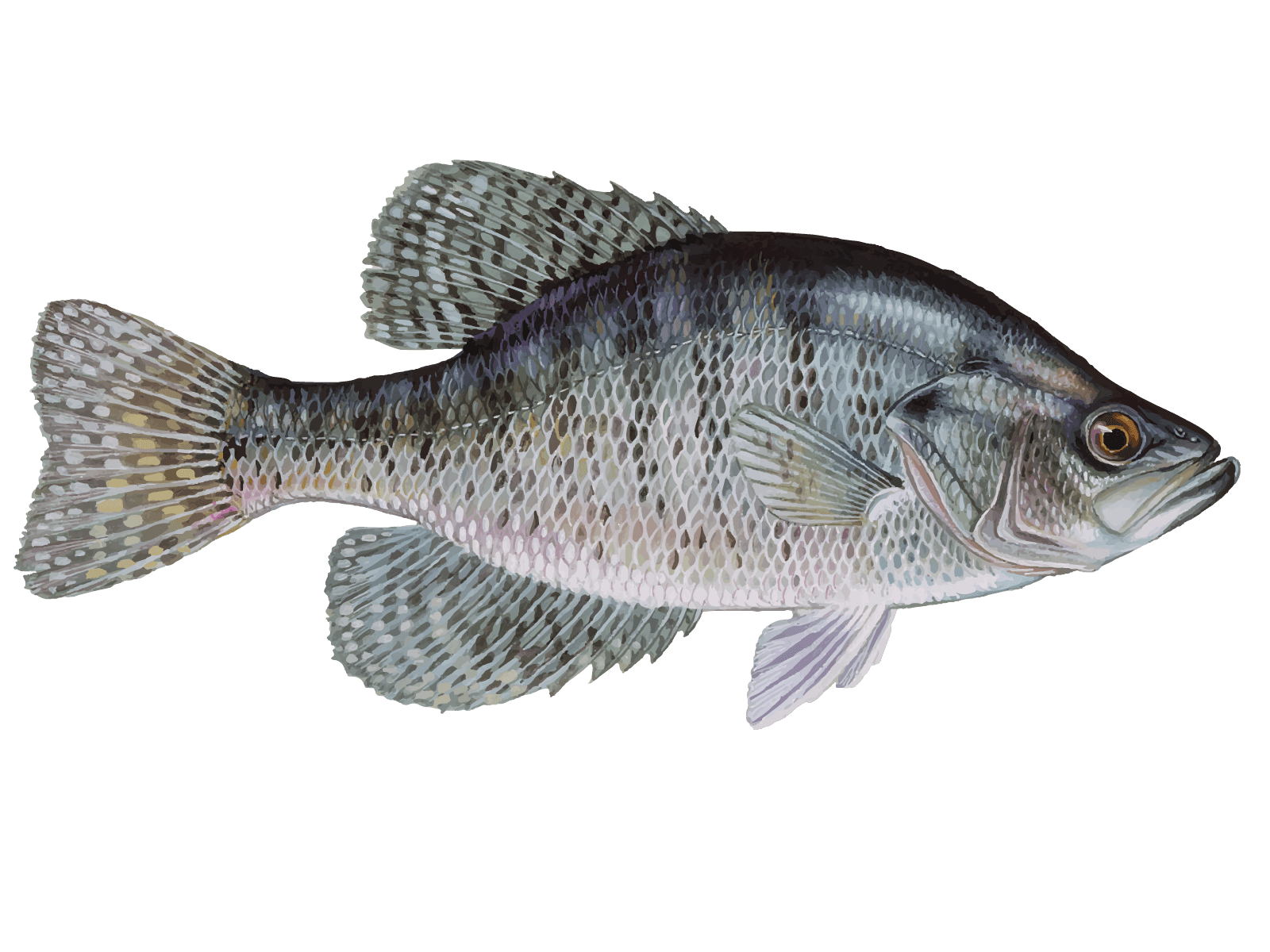
Crappies are game fish and the largest members of the Centrarchidae family. They are present in nature as Black Crappie (Poxomis nigromaculatus) or and White Crappie (Poxomis annularus). Both the species are similar to each other, apart from few distinctions. White crappie will have vertical bars running the length of their body, and black crappie will have no discernible pattern and will just be speckled, hence their nickname, “specks". White crappie has 5-6 spines, and black crappie has 7-8 spines. Anglers often differentiate the two by body shapeGrenade Lake, Mississippi, and Reel foot Lake are considered among giant crappie lakes.
Crappie Habitat and Distribution
Both the crappies have a similar habitat, though black crappie prefers clearer water than white crappie. These fishes can be found in rivers, lakes, and backwater pools swimming in shallow waters or hiding among bushes, vegetation, or other covers.
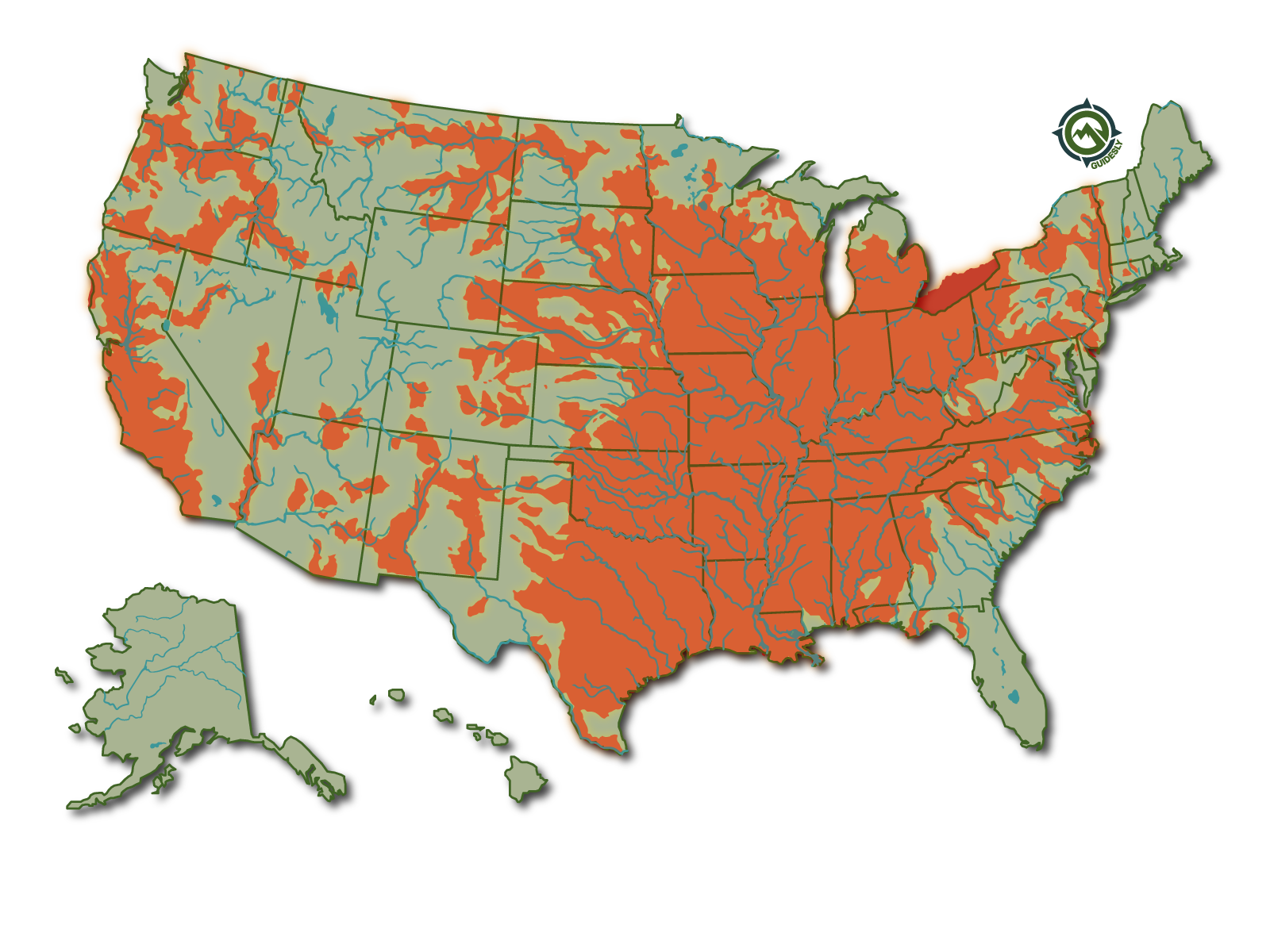
Crappie is native to Canada and the eastern States. It is a much-enjoyed game fish in North America and inhabits the Great Lakes, Hudson Bay, and the Mississippi River Basins.
Crappie Size and Weight
Crappie can be 7-12 inches long and weigh about 0.5-1 pounds.
Crappie Interesting Facts
Crappie is known for its tasty and white meat.
- Both Poxomis nigromaculatus and Poxomis annularus are less active during the day.
- Both the fishes have a different number of dorsal fin spines. White Crappie has 6 while Black Crappie has 7 or 8.
- Mouth of Black Crappie is larger and reaches mid-eye and has a resemblance to largemouth bass.
- Crappie travels in schools.
- Female lays 5000-60000 eggs.
- Crappie can live for 7 to 10 years.
Is Crappie Good to Eat?
Despite its name, crappie is an excellent source of nutrition, containing high amounts of protein and essential omega-3 fatty acids. Although it's not as popular as salmon or tuna, crappie can be a delicious addition to any healthy diet. They are known for their delicate taste and ease of preparation.
When cooked properly, crappie has a delicate flavor and flaky texture, making it perfect for grilling, frying, or baking. Moreover, because they are smaller fish than other common species, such as bass or catfish, the chances of mercury contamination in their flesh are much lower.
Crappie Spawning
Crappie spawning season begins in early spring and summer when the water temperature is 62 F-68 F. Male builds the nest in soft or gravelly spots, the female lays the eggs, and the male guards the nest. Eggs take 2 to 5 days to hatch.
Crappie Food
Depending on the age, Crappie victims consist of zooplankton, crustaceans, small fish, minnows, insects, gizzard or threadfin shads, and larvae of other game fishes.
Crappie Fishing
Crappie is most active at dawn or dusk. Anglers recommend using live bait and properly sized hooks, not too small, not too large.
Spin or Bait Fishing for Crappie:
Spin fishing for crappie is a popular angling technique used for years. The use of small lures, such as crappie spinners or jigs along the bottom with light tackle, makes it possible to catch these elusive fish with ease. Crappie spinner fishing involves using a spinning rod and reel setup to cast the lure out into the water and retrieve it in a steady fashion.
When fishing for crappie with a spinner, it's essential to choose the right size and color of the lure. Smaller lures are more effective when targeting this species due to their smaller mouths. Additionally, selecting colors that mimic the natural prey of crappie can help increase your chances of catching them. It's also important to consider where you're casting your line when using spinners for crappie fishing.
Another popular technique is a bobber with a hook with live bait such as worms or small minnows. This is a proven method to catch crappie.
Fly Fishing for Crappie:
- Fly fishing for Crappie is exciting. Both dry and wet flies work well. Use dry flies on still and calm days, especially early and late. A great way to start a young angler on fly fishing, crappie is not as challenging as much other game fish.
- The best-wet flies for fly fishing are streamers and nymphs and soft large hackles. Streamers (small) are perfect when the fish is eating minnows.
- Anglers can fly fish for Crappie near fallen trees or bushes using a dry or wet fly. Be patient and let the fish properly take the hook. - Clouser Minnow is the ultimate fly bait that can catch even the sluggish crappie.
Crappie Baits and Lures:
- Spinners
- Pan-fish jigs
- Small crankbaits
- Insects
- Worms
- Streamer flies
- Small minnows
- Nymphs
About the Ranger Bass Boat
%2F%2Fusers%2Fad25e022-8672-4f1d-92c7-04d6d2b7b7a6%2Fvehicle_picture%2Fboat-mj29t0wn.jpeg&w=1920&q=75)
Vehicle Guest Capacity: 7
Manufacturer Name: Suzuki
Maximum Cruising Speed: 30
Number of Engines: 1
Horsepower per Engine: 250